-1.png "Starter - Blogger Template")
Keloid Skin And Tattoos
Keloid Skin And Tattoos - · keloid scars form to protect injured skin, such as burns or acne scars. · a keloid is a type of raised scar that grows beyond the boundaries of the original wound and doesn’t stop on its own. Keloids are firm, rubbery lesions or shiny, fibrous. Keloids don’t fade over time. If it looks like you. Unlike a normal scar, which flattens and fades over time, a keloid keeps.
For the treatment to work, most people need to wear the. · once you develop a keloid, it can be challenging to eliminate. If it looks like you. The scar grows larger than the initial wound. · the goal is to make a keloid scar smaller or prevent a new scar from forming by putting pressure on the wound as it heals.
Keloid Ear Keloid Scars Treatment Glasgow Keloid Scars Removal
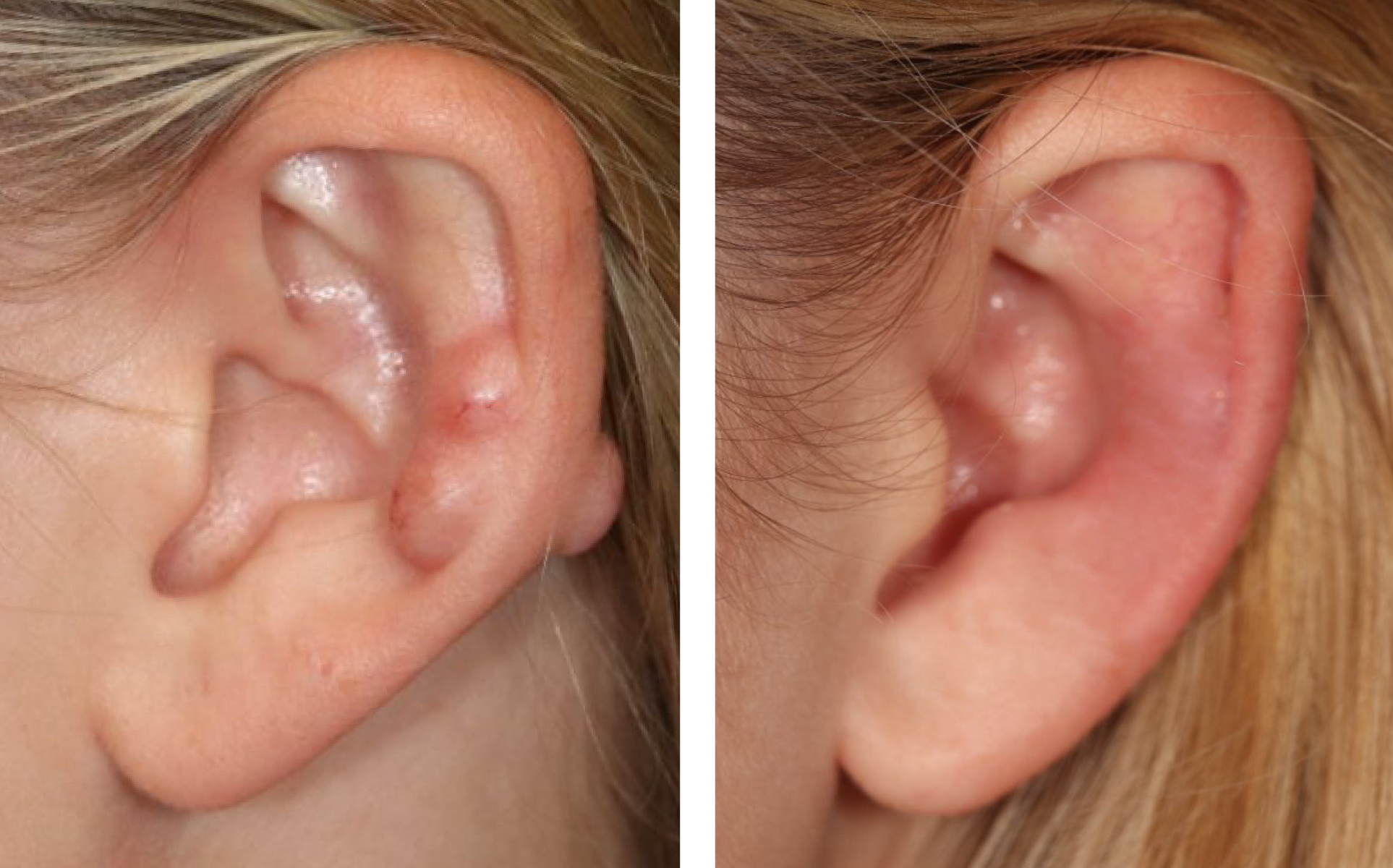
For example, if someone has an allergic skin reaction to the gold in their earrings, the swelling can look like a keloid. If it looks like you. It is a result of an overgrowth of granulation tissue (collagen type iii) at the site of a healed skin injury, which is then slowly replaced by collagen type i. · the goal.
Keloid scar image

For the treatment to work, most people need to wear the. · a keloid is a type of raised scar that grows beyond the boundaries of the original wound and doesn’t stop on its own. What are keloids and hypertrophic scars? · the goal is to make a keloid scar smaller or prevent a new scar from forming by putting.
The dermatologist’s guide to treating keloids 5 pearls and promising
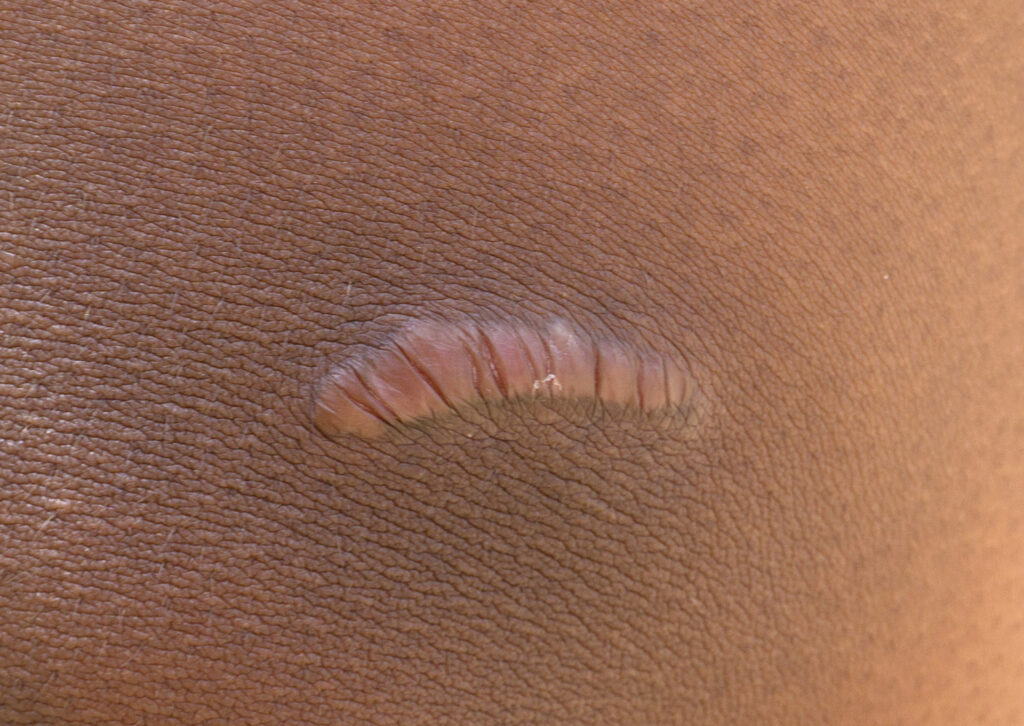
· sometimes, another skin condition can look like a keloid. For the treatment to work, most people need to wear the. Unlike a normal scar, which flattens and fades over time, a keloid keeps. Examples include an insect bite, acne, a shot, body piercings, burns, hair removal, and even minor scratches and bumps. It forms months to a year after.
Why are scars permanent

· once you develop a keloid, it can be challenging to eliminate. · a keloid scar may form after any kind of skin injury. Examples include an insect bite, acne, a shot, body piercings, burns, hair removal, and even minor scratches and bumps. A keloid scar is a firm, smooth, hard growth that occurs as a result of excessive scar.
Keloids and Hypertrophic Scars Prevention and Treatment Strategies

It is a result of an overgrowth of granulation tissue (collagen type iii) at the site of a healed skin injury, which is then slowly replaced by collagen type i. Read about keloid scar causes, symptoms, infection, treatment, and removal, as well as see pictures of these scars. · a keloid scar may form after any kind of skin injury..
Keloid Skin And Tattoos - It is a result of an overgrowth of granulation tissue (collagen type iii) at the site of a healed skin injury, which is then slowly replaced by collagen type i. · a keloid scar is a type of raised scar. Examples include an insect bite, acne, a shot, body piercings, burns, hair removal, and even minor scratches and bumps. Unlike a normal scar, which flattens and fades over time, a keloid keeps. What are keloids and hypertrophic scars? It forms months to a year after the injury that caused it.
Read about keloid scar causes, symptoms, infection, treatment, and removal, as well as see pictures of these scars. Keloids don’t fade over time. If it looks like you. Unlike a normal scar, which flattens and fades over time, a keloid keeps. · once you develop a keloid, it can be challenging to eliminate.
· Keloid Scars Form To Protect Injured Skin, Such As Burns Or Acne Scars.
A keloid scar is a firm, smooth, hard growth that occurs as a result of excessive scar formation. For the treatment to work, most people need to wear the. They may flatten over time, but some people may prefer to have them surgically removed. · sometimes, another skin condition can look like a keloid.
· Once You Develop A Keloid, It Can Be Challenging To Eliminate.
It is a result of an overgrowth of granulation tissue (collagen type iii) at the site of a healed skin injury, which is then slowly replaced by collagen type i. If it looks like you. Read about keloid scar causes, symptoms, infection, treatment, and removal, as well as see pictures of these scars. · a keloid scar is a type of raised scar.
The Scar Grows Larger Than The Initial Wound.
Keloids are firm, rubbery lesions or shiny, fibrous. Keloids occur after skin injury; Examples include an insect bite, acne, a shot, body piercings, burns, hair removal, and even minor scratches and bumps. · a keloid is a type of raised scar that grows beyond the boundaries of the original wound and doesn’t stop on its own.
· A Keloid Scar May Form After Any Kind Of Skin Injury.
What are keloids and hypertrophic scars? · the goal is to make a keloid scar smaller or prevent a new scar from forming by putting pressure on the wound as it heals. It forms months to a year after the injury that caused it. For example, if someone has an allergic skin reaction to the gold in their earrings, the swelling can look like a keloid.