-1.png "Starter - Blogger Template")
Wants And Needs Worksheet
Wants And Needs Worksheet - For example, “she wants a new book,” but “they want new books.”. · the meaning of want is to be needy or destitute. How to use want in a sentence. Wants is one of the most popular words in english, but not everyone knows its interesting. Craves, desires, enjoys, loves, prefers, likes, covets, wishes (for); He wants to talk about it, because he feels there might be something in it for us.
Wants is one of the most popular words in english, but not everyone knows its interesting. Craves, desires, enjoys, loves, prefers, likes, covets, wishes (for); He wants to talk about it, because he feels there might be something in it for us. · needs refer to things that are essential while wants are the things that are desirable. How is want different from desire and wish?
Wants And Needs Worksheet Writing Practice Worksheet

How is want different from desire and wish? · the meaning of want is to be needy or destitute. He wants to talk about it, because he feels there might be something in it for us. Wants synonyms, wants pronunciation, wants translation, english dictionary definition of wants. For example, “she wants a new book,” but “they want new books.”.
What Is a Hodophile Meaning and Characteristics
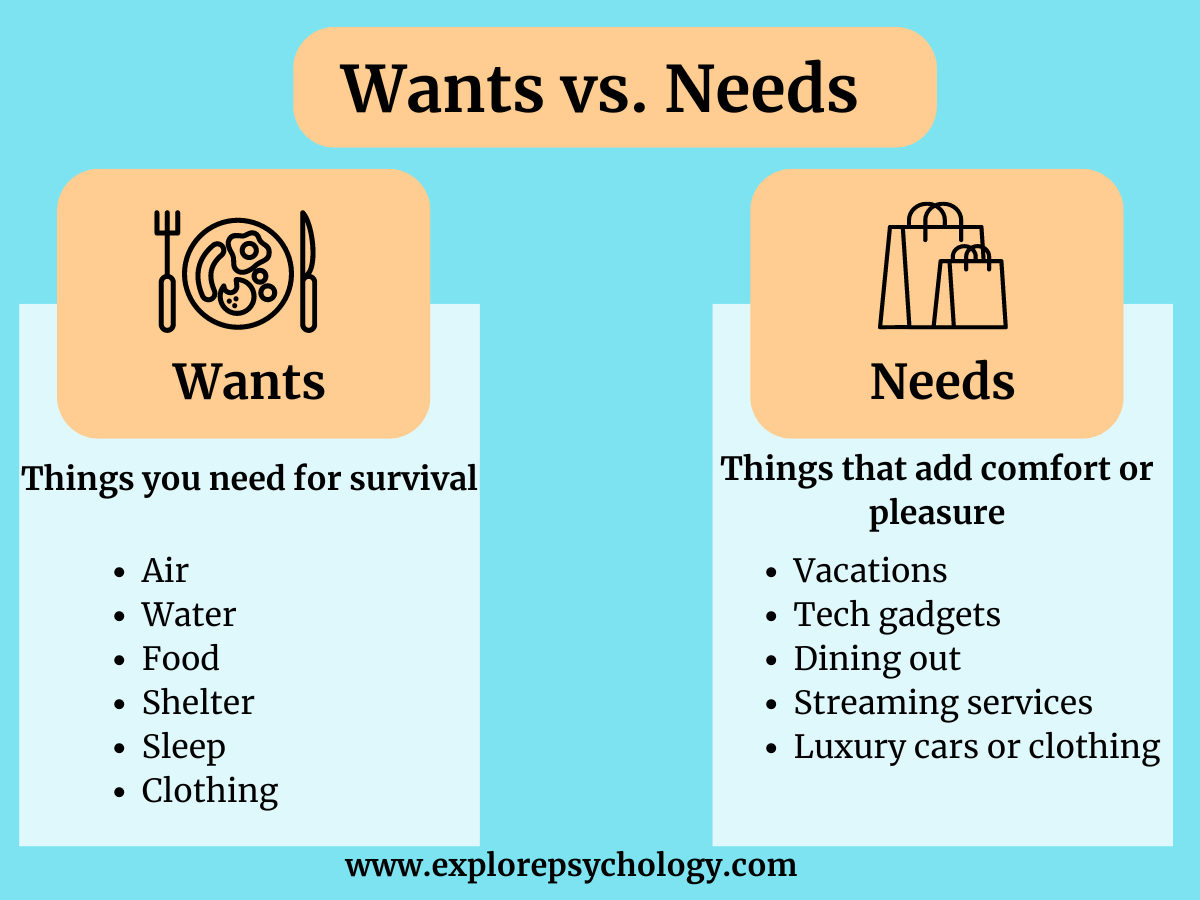
Wants is one of the most popular words in english, but not everyone knows its interesting. How is want different from desire and wish? How to use want in a sentence. He wants to talk about it, because he feels there might be something in it for us. To want is to feel a need or a desire for something.
Needs And Wants Clipart For Kids

· use wants only when the subject is he, she, or it. · the meaning of want is to be needy or destitute. For example, “she wants a new book,” but “they want new books.”. Craves, desires, enjoys, loves, prefers, likes, covets, wishes (for); He wants to talk about it, because he feels there might be something in it for.
Relationship Needs And Wants Worksheet Planner Hexagon

· use wants only when the subject is he, she, or it. How is want different from desire and wish? Craves, desires, enjoys, loves, prefers, likes, covets, wishes (for); For example, “she wants a new book,” but “they want new books.”. He wants to talk about it, because he feels there might be something in it for us.
Needs And Wants Anchor Chart

Find 98 different ways to say wants, along with antonyms, related words, and example sentences at thesaurus.com. · use wants only when the subject is he, she, or it. Craves, desires, enjoys, loves, prefers, likes, covets, wishes (for); · the meaning of want is to be needy or destitute. How to use want in a sentence.
Wants And Needs Worksheet - How is want different from desire and wish? · needs refer to things that are essential while wants are the things that are desirable. · use wants only when the subject is he, she, or it. He wants to talk about it, because he feels there might be something in it for us. To want is to feel a need or a desire for something. Craves, desires, enjoys, loves, prefers, likes, covets, wishes (for);
Find 98 different ways to say wants, along with antonyms, related words, and example sentences at thesaurus.com. How to use want in a sentence. He wants to talk about it, because he feels there might be something in it for us. For example, “she wants a new book,” but “they want new books.”. To want is to feel a need or a desire for something.
· The Meaning Of Want Is To Be Needy Or Destitute.
· needs refer to things that are essential while wants are the things that are desirable. · use wants only when the subject is he, she, or it. He wants to talk about it, because he feels there might be something in it for us. He wants to talk about it, because he feels there might be something in it for us.
For Example, “She Wants A New Book,” But “They Want New Books.”.
Wants is one of the most popular words in english, but not everyone knows its interesting. How is want different from desire and wish? Wants synonyms, wants pronunciation, wants translation, english dictionary definition of wants. To want is to feel a need or a desire for something.
How To Use Want In A Sentence.
Find 98 different ways to say wants, along with antonyms, related words, and example sentences at thesaurus.com. Craves, desires, enjoys, loves, prefers, likes, covets, wishes (for);